The same idea, a different board to follow
Both titles use five reels, three rows and 10 paylines before the feature moves to a board. It is the way a round develops on that board that most clearly separates the two.
| Pine of Plinko 2 | Scatters can show drop values up to 99. Its clockwork gnome doubles the number of balls once enough bumpers have been hit. That gives the feature its familiar escalation. |
|---|---|
| Pine of Plinko 3 | On the reels you still have 10 paylines. On the board the stage strip can reach 256 balls per drop. Overcharge can carry excess meter progress into a later stage, giving a busy drop a consequence beyond its payout. |
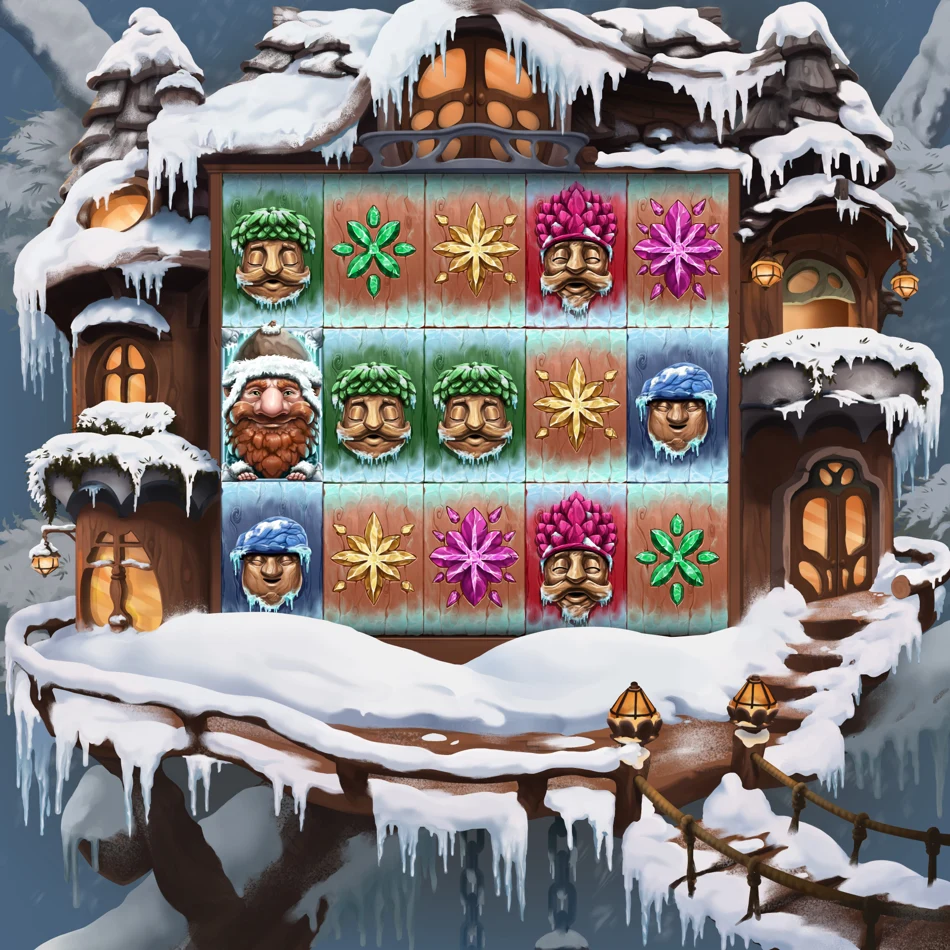
How each game reaches its golden feature
In the second game, special hatches can catch a ball and start its golden feature. In the third, Golden Balls can open the Golden Ball Drop at the end of a stage.
Both editions put the golden feature ceiling at 10,000×. The number is familiar, but the cue to look for changes. On the older board it is a hatch catching a ball. On the newer one it is the stage resolving after a Golden Ball event.
The older game can also turn prize buckets into catapults. That helps explain why a player who remembers a ball returning to the board should look at the feature name as well as the animation.
Comparing the caps on the same basis
Print Studios lists 20,000× as the whole-game maximum for Pine of Plinko 2. Its sheet for Pine of Plinko 3 lists 30,000×. Those are the two comparable ceilings.
The volatility labels use different scales. Pine of Plinko 2 is shown as 4/5, while the third game’s technical sheets say 10/10. Neither source gives a conversion between the scales. For a practical comparison, the changed triggers and stage behaviour tell you more than subtracting one rating from the other.